Sleep Comfort Guide
Choosing Sheets for a Cooler, More Comfortable Night
When the bedroom feels too warm, the sheets are one of the first things you notice. The right set can feel airy, smooth, and easy against the skin; the wrong one can seem heavy or clingy before the night has even begun. Fiber, weave, fabric weight, fit, and care all shape that experience—and thread count is only one small part of the story.
A comfortable bed is personal. Some sleepers like crisp cotton, others prefer the relaxed drape of linen or a silky surface that glides across the skin. Room temperature, humidity, mattress layers, pajamas, and individual temperature preferences matter, too. Choosing sheets is less about finding a universally “coolest” fabric and more about finding a breathable, manageable combination that feels right in your own sleep environment.
Start with the feeling you want
Before comparing labels, think about what “cooler” means to you. Do you want a crisp, freshly made-bed feel? A soft surface that doesn’t cling? Fabric that feels light when you turn over? Or sheets that absorb moisture and are easy to wash and dry? Those preferences can point toward different fibers and constructions.
Comfort is also about how fabric moves. A smooth, close-woven sheet may feel cool to the touch at first, while a more textured, open-feeling fabric may seem breezier over time. Some people love the crispness of percale; others find it too firm and prefer the gentle sheen of sateen. There is no universal winner. The best choice is the one that feels pleasant throughout the night and fits the care routine you can realistically maintain.
If you share a bed, remember that two people can experience the same bedding differently. One may feel warm while the other is comfortable. In that case, consider whether separate blankets, lighter sleepwear, or adjustments to the room environment could help, rather than expecting a sheet change to solve every temperature concern.
Fiber matters, but it is not the whole story
Fiber is the basic material used to make a sheet. Cotton, linen, and other plant-based fibers are common choices, and each has a distinct handfeel and character. The type of fiber can influence softness, moisture handling, durability, and how the fabric changes with washing. But the finished sheet also depends on yarn quality, weave, finishing, and fabric weight.
Cotton: familiar and versatile
Cotton sheets are popular for good reason: they are widely available, generally straightforward to care for, and made in a range of textures and prices. Long-staple cotton fibers can be spun into smooth, strong yarns, though the words used to describe cotton quality are not a complete guarantee of comfort. A well-made sheet should be judged by its fabric, construction, feel, and care details—not a single phrase on the package.
For sleepers who prefer a light, crisp surface, cotton percale is worth considering. Its plain weave gives it a matte finish and a clean, structured feel. Many people describe it as airy, although the sensation depends on the specific fabric and the person using it. Percale may soften with repeated laundering, and some people enjoy that lived-in quality. Others prefer a smoother finish from the beginning.
Cotton sateen is woven to create a smoother surface with a subtle sheen. It often feels soft and drapey, qualities that appeal to sleepers who dislike a crisp sheet. Its denser surface may feel warmer to some people than a lightweight percale. That does not make sateen automatically unsuitable for warm sleepers; fabric weight, room conditions, and personal preference still play a role.
Linen: relaxed texture and easygoing drape
Linen is made from flax fibers and is known for its distinctive texture and relaxed look. It often has a more open, tactile feel than smooth cotton, and many people appreciate its casual drape. Linen can feel comfortable in a range of seasons, but it is not wrinkle-free, and its character is part of its appeal. If you prefer a perfectly smooth, polished bed, linen may require more patience—or simply may not match your taste.
New linen can feel noticeably textured or firm, while laundering and use may soften it over time. This gradual change is worth keeping in mind if you are evaluating a set straight out of its packaging. Check the care instructions before buying, especially if you want bedding that can be washed and dried with minimal fuss.
Other fibers and blends
Sheets may also be made from blends or other materials, including lyocell, rayon, and synthetic fibers. These can feel smooth and drapey, but the experience varies by fabric construction and finish. Rather than assuming that a fiber name guarantees a particular temperature effect, look for clear information about the material and how it is intended to be cared for. If possible, feel a fabric swatch or examine a return policy before committing to a full set.
Blends may be designed to combine qualities such as softness, durability, wrinkle resistance, or lower cost. Those trade-offs can be useful, but a blend is not automatically more breathable or more comfortable than a single-fiber fabric. Consider the entire product description and your own priorities.
Weave changes the feel against your skin
The weave is the way yarns cross to form fabric. It affects texture, drape, appearance, and how substantial a sheet feels. This is why two sets made from cotton can feel strikingly different. Fiber tells you what the yarn is made from; weave helps explain the character of the finished cloth.
- Percale: Usually crisp and matte, with a straightforward, structured feel. It is a common option for people who want sheets that feel light and fresh.
- Sateen: Typically smoother and more fluid, with a soft sheen. Some sleepers enjoy its gentle drape, while others may find it less airy than a crisp weave.
- Linen weave: Often more textured and relaxed in appearance, with a distinctive handfeel that can soften with use.
These descriptions are useful starting points, not promises. Finishing treatments, yarn size, fabric weight, and manufacturing details can shift the feel. When you can, handle the fabric. If shopping online, read descriptions carefully and look for practical details beyond marketing language: fiber content, weave, dimensions, laundering guidance, and any notes about the fabric’s feel.
Why thread count should not make the decision for you
Thread count refers to the number of threads counted in a square inch of fabric, but it cannot tell you everything about a sheet’s quality or comfort. The number may be presented as a shortcut for softness, yet two fabrics with similar counts can feel very different. Fiber quality, yarn construction, weave, and finishing all matter. Extremely high figures are not, by themselves, proof that a sheet is breathable, durable, or pleasant to sleep on.
Instead of chasing the biggest number on the label, use thread count as one detail among several—and give greater weight to the fabric’s actual feel and the information you can verify. A moderate-count sheet in a weave you enjoy may suit you better than a denser fabric that feels warm or stiff. If the label makes dramatic claims without explaining the materials or construction, treat those claims cautiously.
Fabric weight and layering can tip the balance
Fabric weight influences whether sheets feel light and fluid or substantial and cozy. A lighter sheet may be appealing in a warm room, while a heavier fabric can feel reassuring in cooler conditions. However, labels do not always describe weight in a way that makes different brands easy to compare. If a product lists fabric weight, use it as a clue rather than a universal rating, and consider it alongside the weave and fiber.
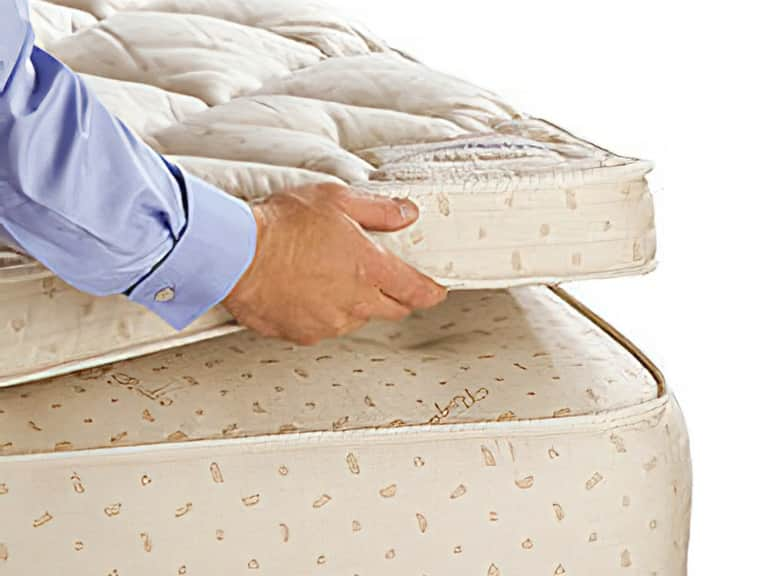
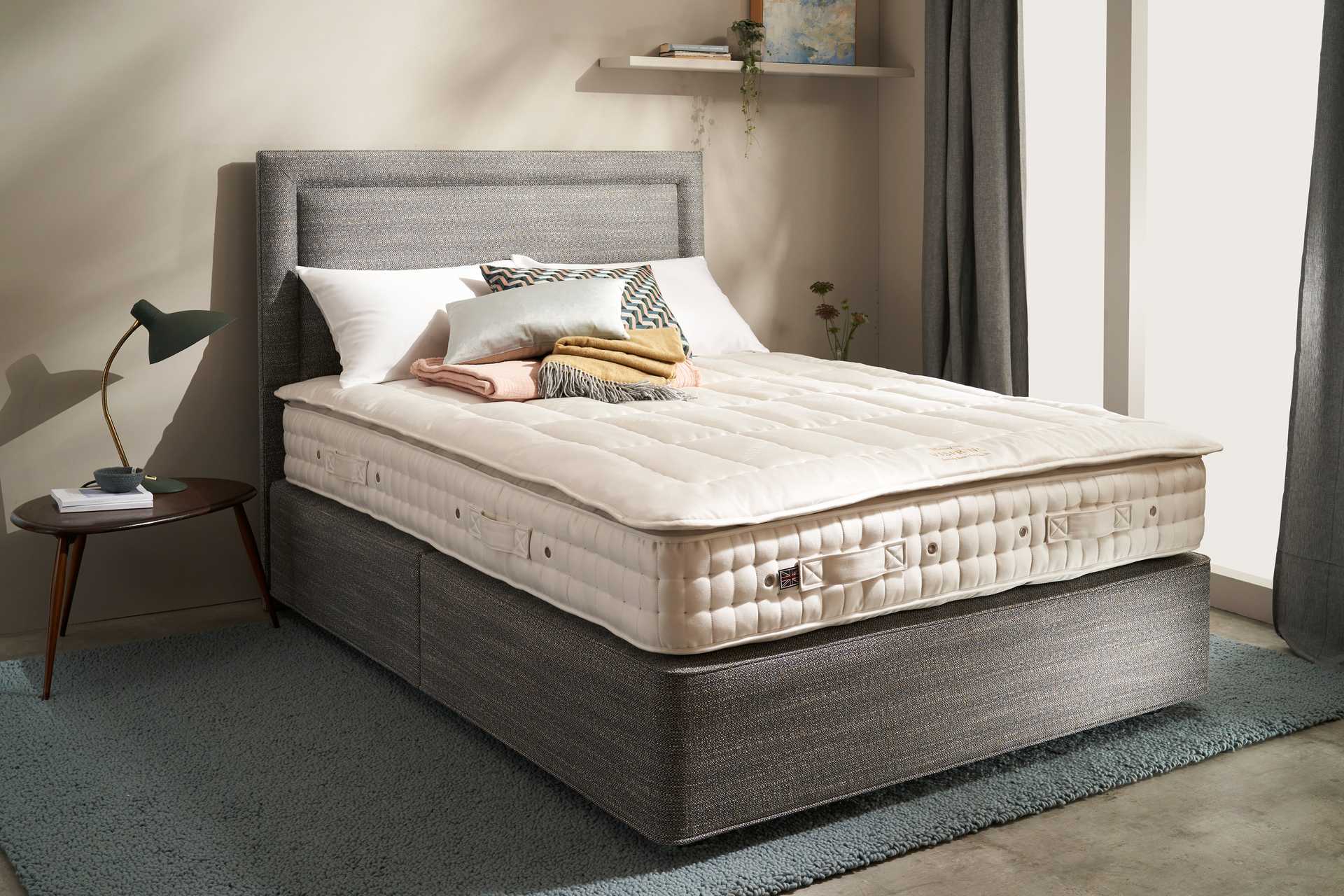
Think about the entire bed, not just the fitted sheet. A mattress protector, padded topper, duvet, blanket, and pajamas all contribute to how warm you feel. A breathable sheet cannot cancel out every effect of a heavy comforter or a warm room. If you are waking up overheated, try changing one layer at a time. A lighter top cover or fewer blankets may make a bigger difference than replacing sheets that already feel comfortable.
Fit matters, too. A fitted sheet that is too small may pull loose at the corners, while an oversized one can bunch beneath you. Check mattress dimensions and depth, including any topper or pad, before purchasing. A secure fit keeps the surface smoother and more comfortable when you move during the night.
Moisture, humidity, and the bedroom environment
Warmth and moisture often go together in how people describe an uncomfortable night. A fabric that feels damp or clingy can be distracting, particularly in a humid room. Sheets can affect the sensation of moisture at the skin, but they do not control the room’s humidity or replace medical advice for ongoing or severe night sweating. If sweating is new, persistent, or accompanied by other concerning symptoms, consider discussing it with a qualified health professional.
Room conditions deserve attention alongside bedding. Ventilation, window coverings, airflow, and the timing of heating or cooling can all affect comfort. Keep the sleep space comfortable for you, and consider whether heat is coming from a sunny window, a device, or a blanket that is too insulating. Avoid assuming that one ideal room temperature works for everyone; preferences and circumstances vary.
Small changes can be informative. If you suspect your sheets are part of the problem, try a lighter layer or a different weave before replacing everything. Give a new setup several nights if it is comfortable and practical to do so, since a single night may not reflect your usual experience.
Care habits help sheets stay comfortable
Clean sheets can feel fresher and more pleasant, but care requirements differ by fabric. Follow the instructions on the label rather than assuming every set can be washed and dried the same way. Use a suitable wash temperature, avoid overloading the machine, and make sure bedding is fully dry before storing or putting it back on the bed. Too much detergent or fabric softener may leave residue, and some finishes can change with repeated washing.
Wash frequency is a personal and practical decision influenced by climate, skin needs, pets, and how the bed is used. A regular routine helps keep bedding clean; people with allergies, sensitive skin, or other specific concerns may want individualized guidance from a relevant health professional. Keep a spare set if possible so laundry timing does not become a source of stress.
Durability is part of comfort over time. Inspect seams, elastic, and fabric before buying, and take note of any special washing or drying restrictions. A delicate sheet that needs more care than you can comfortably provide may not be the best everyday choice, even if it feels wonderful in the store. The most useful bedding is bedding you enjoy using and can maintain.
A practical checklist before you buy
When comparing sheets, pause over the details that have the greatest effect on everyday use. A short checklist can keep the decision grounded in comfort rather than packaging claims.
- Fiber content: Identify what the fabric is made from, including any blends.
- Weave and finish: Look for terms such as percale or sateen, then consider whether you prefer crisp, smooth, or textured bedding.
- Weight and handfeel: Check whether the fabric is described as lightweight or substantial, and try to handle it if possible.
- Fit: Match the sheet dimensions and pocket depth to your mattress and any added layers.
- Care: Make sure washing and drying instructions suit your routine.
- Durability: Review construction details, seams, elastic, and the seller’s information about wear.
- Return terms: If you cannot feel the fabric first, understand the return policy before opening or laundering it.
- Price in context: Compare what is included and the materials used, rather than treating a high price or thread count as a quality guarantee.
Common sheet-shopping myths, gently untangled
“The highest thread count is always best.” Not necessarily. Thread count cannot describe every aspect of a fabric, and a high figure does not guarantee a cooler or more comfortable night.
“One material is coolest for everyone.” Individual preferences, room conditions, fabric weight, weave, and the rest of the bedding all affect how sheets feel. A fabric that feels ideal to one sleeper may feel too crisp or too warm to another.
“New sheets should feel perfect immediately.” Some fabrics soften with washing and use, while others keep a more structured feel. Check care guidance and consider whether you are comfortable with the expected change.
“Sheets alone can fix overheating.” They may improve comfort, but the room, sleepwear, blankets, and personal health can also play a part. Persistent discomfort deserves a broader look, not just a new set of bedding.
The best choice is the one that works in your room
Choosing sheets for a cooler, more comfortable night does not require a complicated formula. Begin with your preferred feel, compare fiber and weave, and pay attention to fabric weight and care. Treat thread count as a limited clue rather than the headline. Then consider how the sheets fit into the full bed and the temperature of the room where you sleep.
If you are unsure, make a small, deliberate change rather than replacing every layer at once. A crisp cotton percale set may be a good starting point for someone who wants a lighter, structured feel; a smooth sateen may suit someone who values softness and drape; linen may appeal to sleepers who enjoy a textured, relaxed surface. These are invitations to explore, not guarantees of a particular result.
Comfort is built from details that seem small until bedtime: a fitted sheet that stays put, fabric that feels good on your skin, a wash routine you can keep up with, and layers that match the season and room. Choose for the way you actually sleep, not for a number on a label. That is a far more personal—and practical—route to a bed that feels inviting night after night.