Comparing Natural Latex Organic Mattresses: Comfort, Support, and Longevity
An in-depth, evidence-informed guide to natural latex organic mattresses, exploring material composition, density, firmness, certifications, and practical steps to choose the right model for different sleep needs. This is your royal standard for understanding how latex—natural, organic, and responsibly sourced—shapes comfort, spinal alignment, and long-term durability.
The world of latex mattresses sits at the intersection of science, textile craftsmanship, and bedroom comfort. Natural latex is prized for resilience, hypoallergenic properties, and the way it supports the body without excessive motion transfer. When we talk about organic latex, we add a layer of assurance—certifications, responsible sourcing, and manufacturing processes designed to minimize environmental impact. For sleepers, this combination translates into a sleep surface that can cradle the spine while breathing well in different seasons.
What makes natural latex different from synthetic options?
Natural latex is harvested from the sap of rubber trees and cured into foam or rubbery blocks that form the core of a mattress. In contrast to synthetic latex, which is produced from petrochemicals, natural latex emphasizes purity, elasticity, and a more buoyant, responsive feel. Dunlop and Talalay are two common production methods that influence feel and durability. Dunlop tends to deliver a denser, one-piece core with consistent firmness, while Talalay typically produces a more uniform cell structure that can yield a lighter, slightly plusher surface.
Organic certifications, such as GOTS (Global Organic Textile Standard) for textiles and GOLS (Global Organic Latex Standard) for latex, act as markers of oversight across the supply chain—from the forested rubber plantations to the finished mattress. When a product proclaims organic latex, you’re looking for assurances that the latex is from an organic system, with minimal chemical processing and a transparent supply trail.
Key properties to evaluate: density, firmness, and durability
Density and firmness directly influence how a latex mattress responds to your body. In latex systems, density is often discussed alongside ILD (indention load deflection) or firmness ratings, which indicate the amount of force required to depress the surface by a certain amount. Higher density latex generally offers longer-lasting support and less compression over time, but the feel will be different depending on whether the core is Dunlop or Talalay processed and on the thickness of the top layers.
When comparing models, consider:
- Certifications and origin: Look for organic and natural certifications, as well as the country of manufacture and any third-party testing.
- Core structure: A multi-layer configuration with a plush top layer over a firmer base can provide a balanced feel for various sleep positions.
- Breathability and climate control: Natural latex has inherent breathability, but cover fabrics and any wool or cotton layers contribute to moisture management.
- Edge support and motion isolation: Latex generally offers good edge support and low motion transfer, which can be important for couples.
Reputable brands and what their latex offerings reveal
In the premium latex space, several brands consistently highlight the intersection of craftsmanship and science. For example, several luxury lines emphasize all-natural latex cores combined with organic wool or cotton coverings, designed to maintain a stable temperature and minimize moisture buildup. These brands often pair Dunlop or Talalay latex cores with layers that prioritize durability, edge support, and climate regulation.
When you read brand descriptions, pay attention to how they describe the latex as “natural” or “organic,” and what additional materials surround the core. A top-layer design that includes chemical-free wool or natural fibers can contribute to temperature regulation, odor resistance, and a sense of luxury without relying on synthetic flame retardants.
Reading labels: density, firmness, and certification
Reading a latex mattress label is a skill that pays off in long-term satisfaction. Look for:
- Certifications: GOTS, GOLS, OEKO-TEX, and other independent certifications signal adherence to environmental and health standards.
- La latex type: Dunlop vs. Talalay; understand which you prefer in terms of density and feel.
- Density and ILD: Density numbers give a sense of longevity, while ILD ratings suggest how firm each layer will feel under pressure.
- Layer structure: How many layers, their thickness, and whether the top layer is softer for pressure relief or firmer for support.
- Care and maintenance: Cleaning guidance, which materials are machine washable or require spot cleaning, and care for natural textiles.
A quick brands-and-models snapshot: what to expect
In the realm of natural latex organic mattresses, the standout features tend to be a combination of high-quality latex cores, responsibly sourced organic textiles, and robust certifications. Models often present as a layered experience: a plush, comfort-oriented top layer to relieve pressure on shoulders and hips, followed by a more robust support core designed to keep the spine aligned throughout the night.
For sleepers with specific preferences—for example, those who sleep on their side or back, or those who desire a slightly firmer feel for edge support—look for configurations that balance softness and support across the surface. If you share a bed, consider a model with consistent support across the surface to minimize motion transfer without sacrificing comfort.
Practical guidance for choosing a natural latex organic mattress
Making a well-informed choice requires a blend of personal comfort testing and technical understanding. Here’s a practical checklist to guide your decision:
- Test firmness at home: If possible, test firmness by lying on the mattress in your typical sleep position for a few minutes. Take note of how your hips and shoulders align with your spine and whether you feel any undue pressure on joints.
- Evaluate temperature regulation: Consider the cover materials (e.g., organic cotton or wool) and any ventilation features built into the mattress. Natural latex itself breathes well, but the surrounding textiles play a pivotal role.
- Check edge support: Gently sit at the edge and lie down to assess how the perimeter holds up, especially if you sit on the edge to dress or move in and out of bed.
- Review durability indicators: Look for dense latex cores, layered construction designed to minimize sagging, and a strong foundation that complements the latex core.
- Confirm certifications and origin: Favor brands with clear, verifiable certifications and a transparent supply chain.
A note on the broader sleep ecosystem
While selecting a natural latex organic mattress is a key step toward improved sleep, broader sleep health practices remain foundational. Sleep duration, regular bedtimes, and reducing exposure to blue light in the evening all contribute to a robust circadian rhythm. A comfortable bed is an essential tool, but the broader sleep environment—noise levels, room temperature, and pre-sleep routines—also plays a substantial role.
Common myths versus facts about latex mattresses
Myth: Natural latex mattresses are always expensive and out of reach.
Fact: While premium models exist, there are varied price points driven by layer structure, certifications, and brand positioning. It’s possible to find options that balance natural materials and value, especially when you evaluate the full system—top layers, core, and cover—rather than focusing on a single feature.
Myth: Latex mattresses sleep hot.
Fact: Modern latex cores are highly breathable, particularly when paired with natural fabrics like cotton and wool. Proper ventilation and cover design help maintain a comfortable temperature, even in warmer climates.
Glossary: essential terms for your latex mattress journey
- Dunlop and Talalay: Two common latex production methods that influence density and feel.
- GOLS: Global Organic Latex Standard, a certification for organic latex.
- GOTS: Global Organic Textile Standard, certification for organic textiles.
- ILD: Indention Load Deflection, a measure of firmness.
- OEKO-TEX: A certification indicating textiles are free from certain harmful substances.
Illustrative example: evaluating a hypothetical model
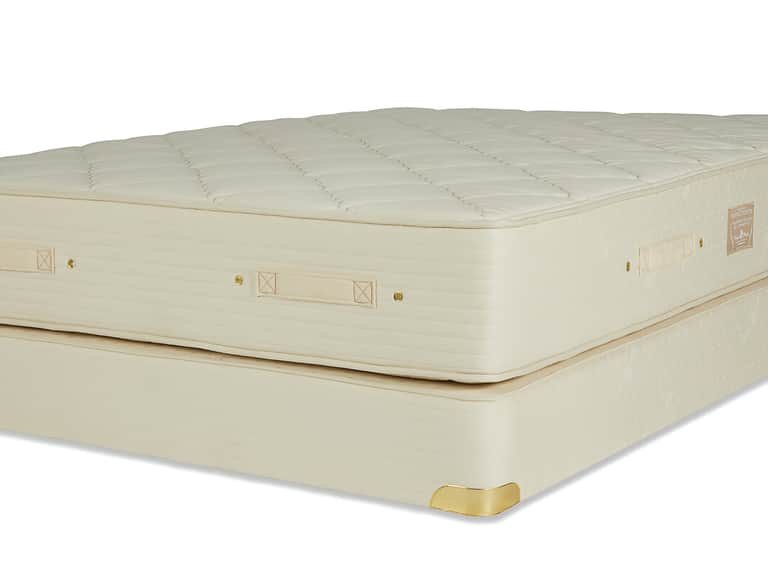
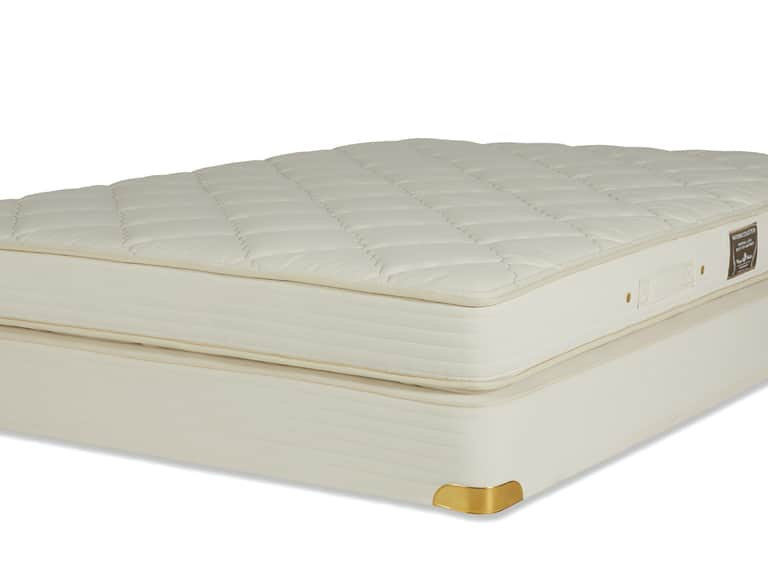
Imagine a mattress with a multi-layer latex core. The top layer is a soft, plush Dunlop latex designed to relieve pressure on the shoulders and hips. Beneath it lies a denser Dunlop or Talalay core that provides stable support and longevity. The cover is an organic cotton blend with a wool layer for temperature regulation. You test this model in your preferred sleep positions and note a balanced feel with minimal sinkage, strong edge support, and comfortable temperature control. This indicates a well-constructed natural latex organic mattress that may suit a range of sleepers.
Final considerations and how to proceed
If you’re exploring natural latex organic mattresses, start with models that clearly reveal their core composition, certifications, and the cover materials. Read independent reviews and verify third-party testing where possible. Prioritize the feel you prefer—whether you want a slightly crisper response or a plush sink—and consider whether a multi-layer design or a single-core block best meets your needs.
Related product recommendations
The following product examples align with the theme of natural latex and organic materials. They illustrate how certain core designs and textile choices translate into a comfortable, durable night’s sleep.
Note: Product details above reflect available catalog entries and do not constitute endorsements or substitutions for professional medical advice. For personalized sleep guidance, consult sleep health professionals and mattress fit specialists.